Product Description
Now taking orders.
*** Currant plants ship from mid-December through April ***
We Do Not Ship Current Plants To North Carolina or SC, DE, ME, NJ, WV, VA, MI, MA, OH, or RI.*
_________________________________________________________
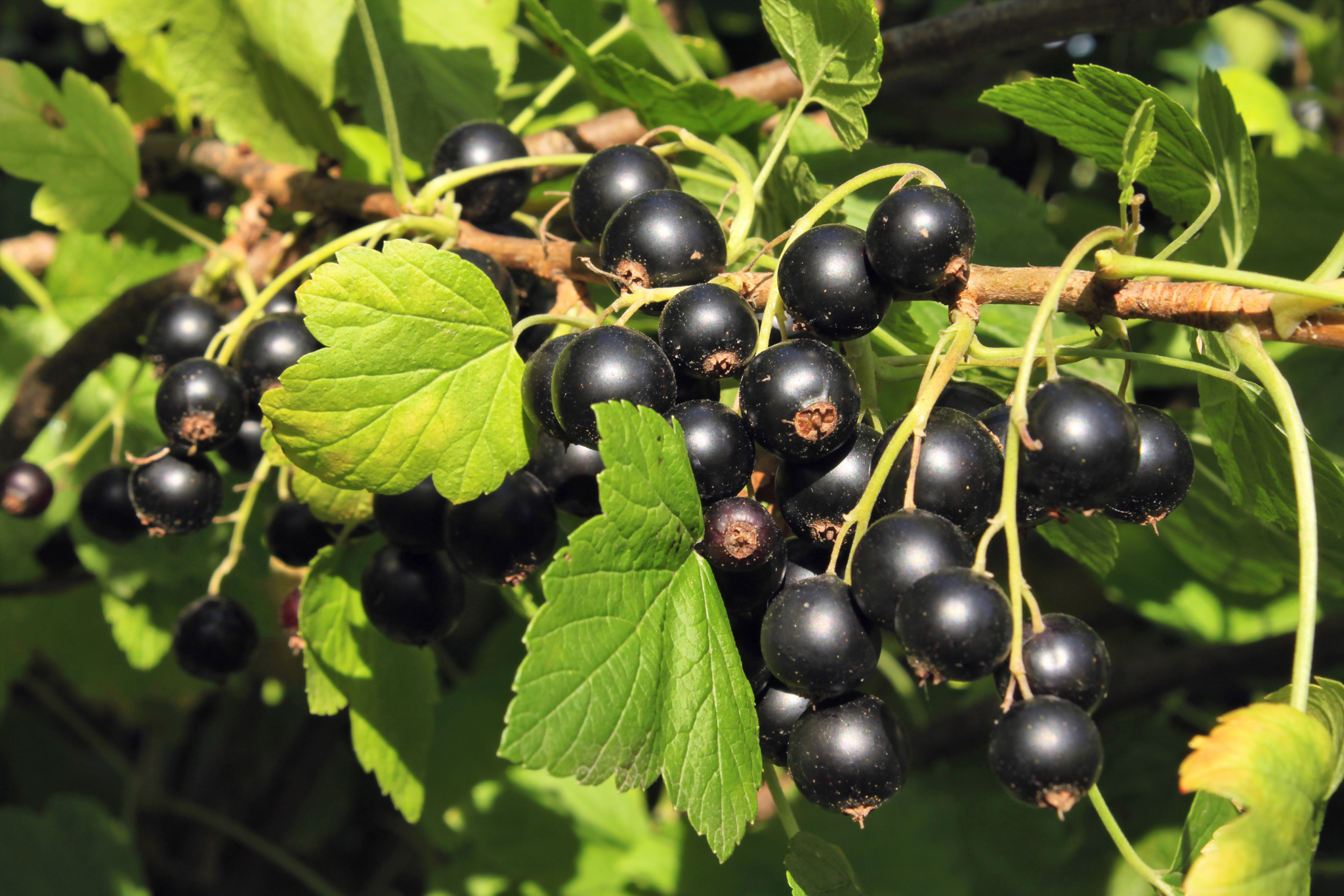
The Crandall Black Currant is one of the most ornamental and sweetest currant varieties available. Valued for both its beauty and delicious fruit, it produces fragrant, clove-scented, trumpet-shaped yellow flowers in spring that attract butterflies and other pollinators.
The flavorful black berries ripen in mid-summer and have a rich, sweet taste with a subtle hint of cloves, making them excellent for fresh eating as well as pies, jams, jellies, juices, and other favorite recipes.
A vigorous, fast-growing shrub, Crandall typically begins producing fruit in its second year and is an attractive addition to edible landscapes and home gardens.
- One of the sweetest black currant varieties
- Fragrant, clove-scented spring flowers
- Sweet fruit with a hint of cloves
- Excellent for fresh eating, jams, jellies, and baking
- Fast growing and attracts butterflies
- Begins producing fruit in the second year
- Ripens in mid-summer
Zones: 4–8
What is the difference between Consort and Crandall Black Currants?
While both varieties produce nutritious black berries, they offer distinctly different flavors and growing characteristics.
Consort Black Currant is a traditional European-type black currant that produces clusters of small to medium-sized berries with a rich, tart, distinctive currant flavor. It is especially desirable for making jams, jellies, juices and preserves. Consort is extremely cold hardy and thrives in cooler climates.
Crandall Black Currant is a North American native selection that produces larger, sweeter berries with a milder flavor, making it more desirable for fresh eating. Also known as the Clove Currant, it produces beautiful, fragrant yellow flowers in the spring and attractive fall foliage. Crandall is more heat tolerant than traditional black currants, making it a better choice for gardeners in warmer climates.