Product Description
Now taking orders for pecan trees.
*** Pecan Trees generally ship from January through April ***
*** We ship to colder states beginning in late March and early April UNLESS requested earlier.
___________________________________________________________
Cape Fear Pecan Tree (Type I)
The Cape Fear Pecan is an outstanding paper-shell variety prized for its excellent nut quality, rich flavor, and dependable production. This vigorous, upright-growing tree develops an attractive open canopy that allows good air circulation and contributes to its long life and productivity.
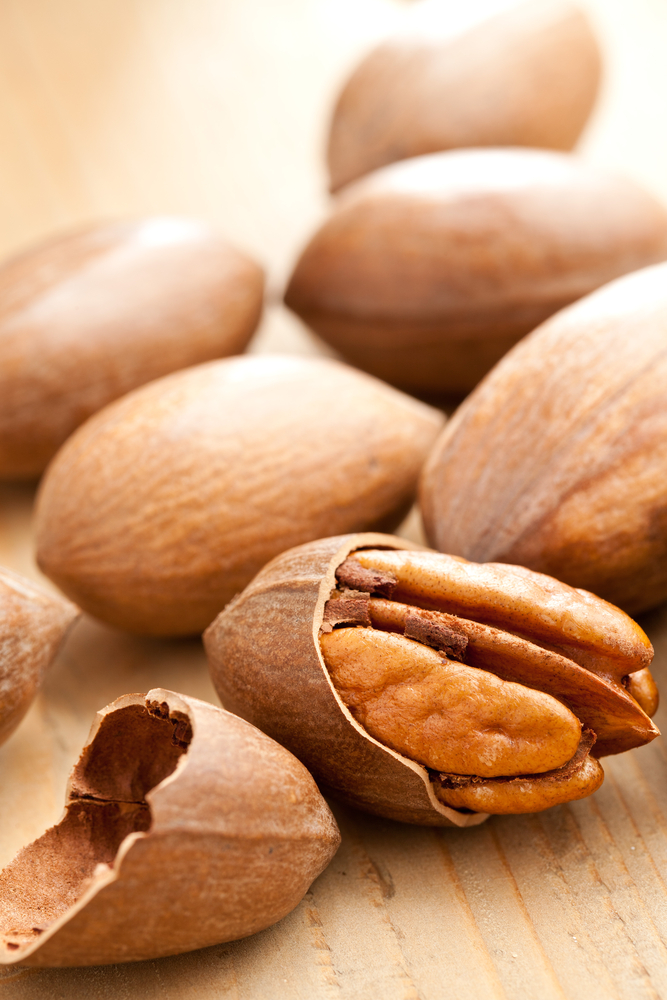
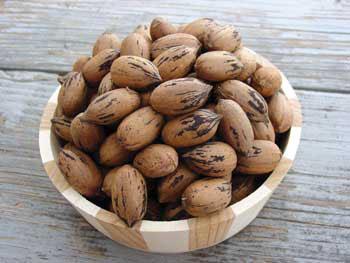
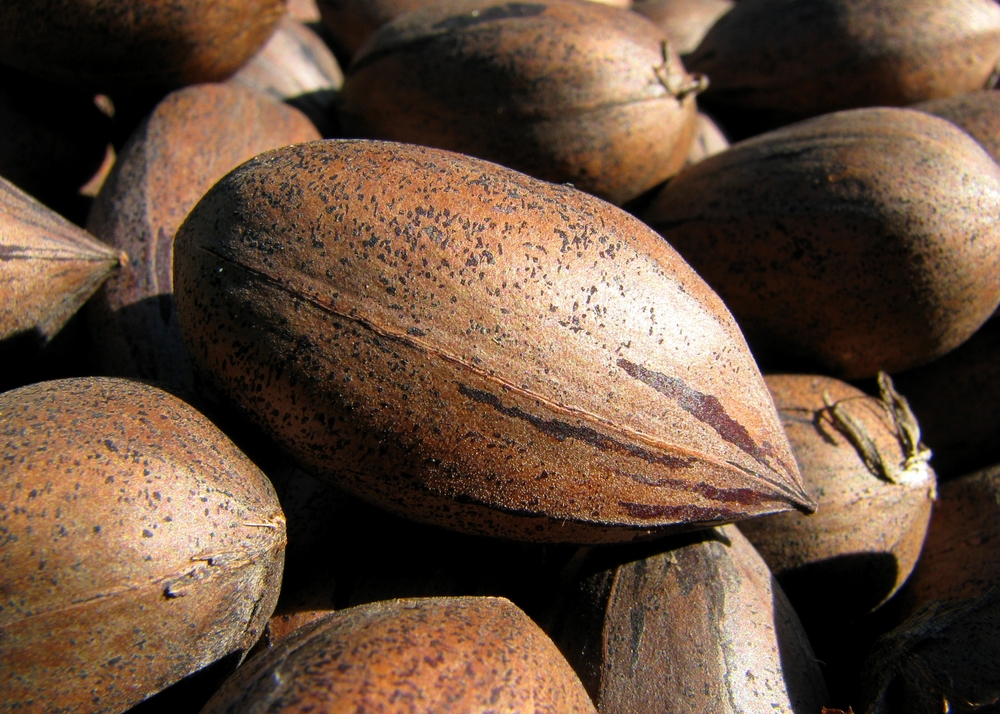
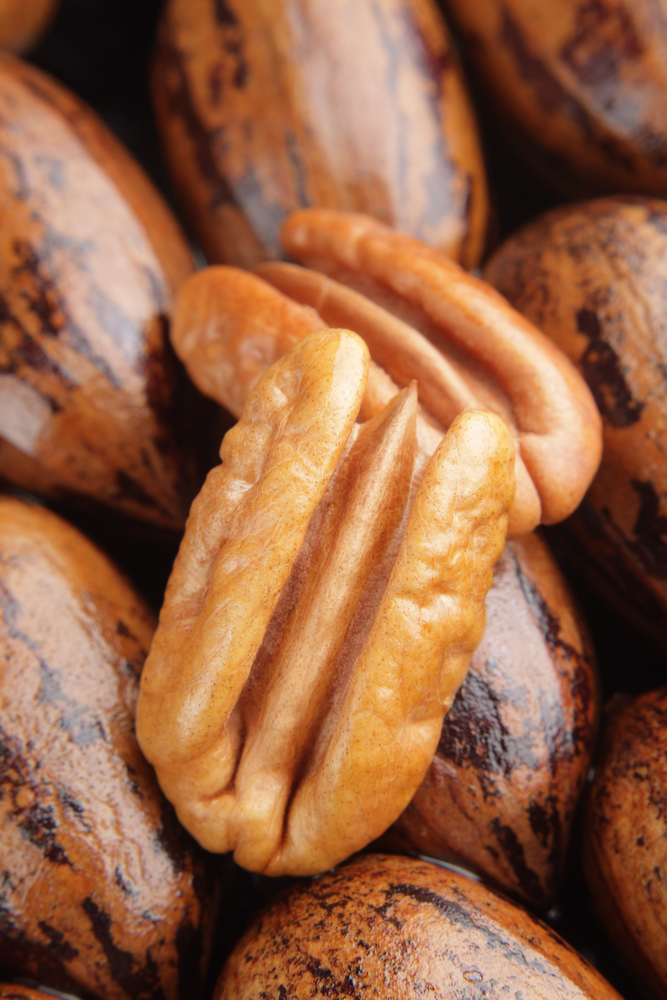
Cape Fear produces medium to large, paper-shell pecans that crack easily, revealing plump, high-quality kernels with outstanding flavor. It is an early-bearing variety and is known for producing consistent crops year after year.
One of Cape Fear’s greatest advantages is its excellent resistance to pecan scab, making it a dependable choice in many growing regions. Whether you’re planting a home orchard or a larger pecan grove, Cape Fear is an excellent selection for growers looking for high-quality nuts and reliable performance.
For the best nut production, Cape Fear is a Type I pecan and should be planted with a Type II pecan variety for proper cross-pollination.
- Pollination Type: Type I
- Shell: Paper shell
- Kernel: Excellent flavor and quality
- Ripens: Early season
- Tree Habit: Vigorous, upright growth with an open canopy
- Disease Resistance: Excellent resistance to pecan scab
- Nut Size: Approximately 55 nuts per pound
- Hardiness Zones: 6–9
Available Sizes: 3–4 feet and 4–5 feet.
________________________________________________________
There are two pollination types: Type I and Type II.
For the best nut production, we recommend planting at least one Type I pecan tree and one Type II pecan tree within pollinating distance of each other.
- Type I: These trees release their pollen first and are ready to receive pollen later.
- Type II: These trees are ready to receive pollen first and release their pollen later.
Because they bloom at different times, one Type I tree and one Type II tree work together to pollinate each other, resulting in larger and more dependable pecan crops.
Each pecan variety on our website is identified as either Type I or Type II to help you choose compatible trees.