Product Description
Now taking orders for Pecan Trees
*** Pecan Trees generally ship from January through April ***
*** We ship to colder states beginning in late March and early April UNLESS requested earlier.
If you live in Virginia or above tell us in the comments if you want your order shipped as soon as they are available or in April 2026.
________________________________________________
Pawnee Pecan Tree (Type I)
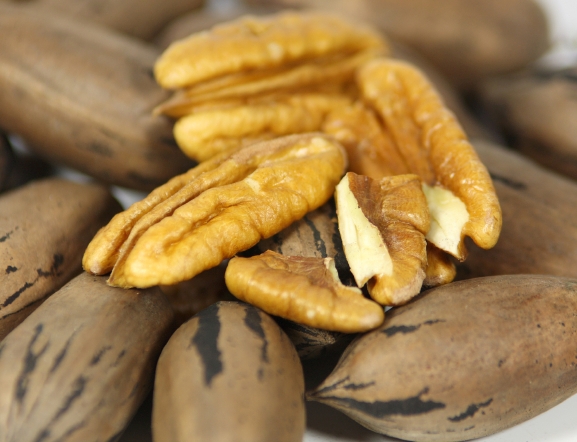
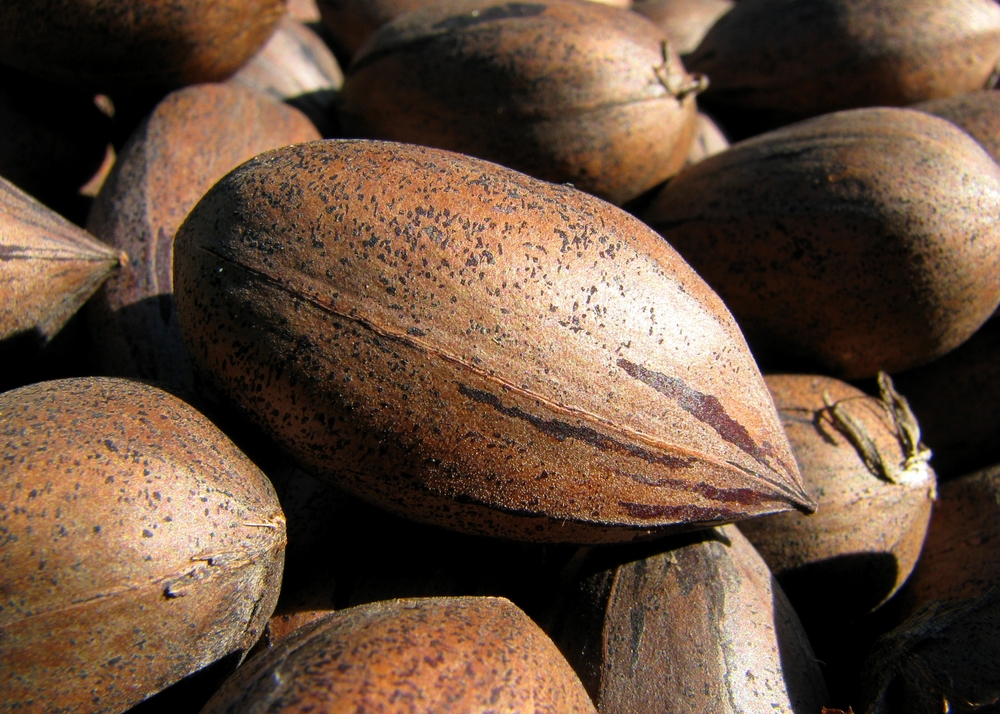
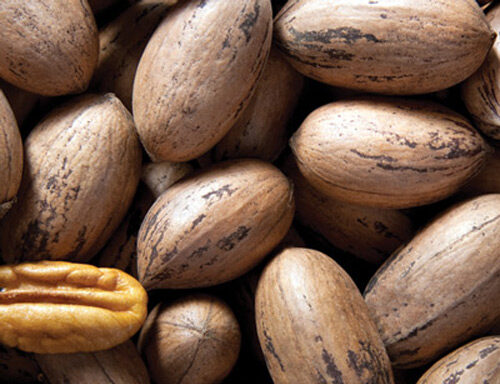
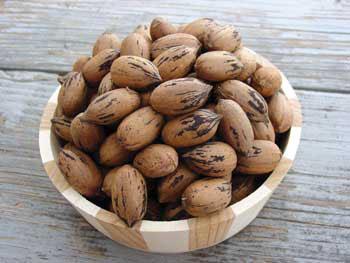
The Pawnee Pecan Tree is one of the most widely planted pecan varieties in North America and is prized for its early harvest, heavy production, and outstanding nut quality. This vigorous, fast-growing tree produces large paper-shell pecans that ripen 2–3 weeks earlier than most other pecan varieties, allowing you to enjoy fresh pecans sooner.
Pawnee produces approximately 55–57 nuts per pound, with large, well-filled kernels that have excellent flavor and are easy to shell. Known for its high yields and dependable production, this variety typically begins bearing in 4–5 years under good growing conditions.
A naturally compact, semi-dwarf tree, Pawnee is an excellent choice for home orchards where space is limited, while also being a proven performer in commercial plantings. It is highly resistant to disease and adapts well across a wide range of growing conditions.
Pawnee is a Type I (protandrous) pecan and should be planted with a compatible Type II variety for dependable cross-pollination and maximum nut production.
- Pollination Type: Type I (Protandrous)
- Nut Size: Large paper-shell
- Average: 55–57 nuts per pound
- Bearing Age: Approximately 4–5 years
- Growth Habit: Fast-growing, semi-dwarf
- Disease Resistance: Highly resistant
- Zones: 6–10
________________________________________________________
There are two pollination types: Type I and Type II.
For the best nut production, we recommend planting at least one Type I pecan tree and one Type II pecan tree within pollinating distance of each other.
- Type I: These trees release their pollen first and are ready to receive pollen later.
- Type II: These trees are ready to receive pollen first and release their pollen later.
Because they bloom at different times, one Type I tree and one Type II tree work together to pollinate each other, resulting in larger and more dependable pecan crops.
Each pecan variety on our website is identified as either Type I or Type II to help you choose compatible trees.
Pecan Tree Planting Information: Click Here